 10% Off
5N/6D
10% Off
5N/6D
Kashmir Trails
2N-Srinagar 1N-Houseboat Hotel 1N-Gulmarg 1N-Pahalgam Hotel Breakfast Sightseeing Transport
2N-Srinagar1N-Houseboat Hotel1N-Gulmarg1N-PahalgamDay 1 – Arrival in Srinagar & Dal Lake ExperienceArrive at Srinagar Airport and transfer to your hotel or traditional houseboat. After freshening up, enjoy a warm welcome with Kashmiri Kahwa and begin your journey by exploring Srinagar’s iconic attractions.Visit the Mughal Gardens—Nishat Bagh, Shalimar Bagh, and Chashme Shahi—known for terraced lawns, elegant fountains, and serene lake vistas. Stop at Pari Mahal for sweeping panoramic views of Dal Lake, and optionally visit Shankaracharya Temple for a spiritual experience.In the evening, enjoy a relaxing Shikara ride on Dal Lake, followed by a stroll and shopping along Boulevard Road. Overnight stay in Srinagar.Day 2 – Sonamarg: The Meadow of GoldAfter breakfast, embark on a scenic drive to Sonamarg, located 85 km from Srinagar. Take in the pristine mountain landscapes and riverside views along the way.At Sonamarg, enjoy a pony ride to Thajiwas Glacier and explore the alpine surroundings on foot. Optional visits include Zero Point / Zojila Pass, depending on accessibility. Relish lunch at a riverside eatery while soaking in the breathtaking scenery. Return to Srinagar by evening for overnight stay.Day 3 – Doodhpathri: Valley of MilkToday, journey to Doodhpathri, around 40–45 km from Srinagar, famed for its rolling green meadows, pine forests, and the tranquil Dudh Ganga River.Explore the Tangnar Meadows, enjoy optional pony rides, and capture memorable photographs in this peaceful, untouched setting. Return to Srinagar in the evening for overnight stay.Day 4 – Srinagar to GulmargAfter breakfast, drive to Gulmarg, the celebrated Meadow of Flowers. Check in to your hotel and begin exploring the scenic valley.Highlights of the day include the world-famous Gulmarg Gondola ride (Phase I & II) for stunning Himalayan vistas, a visit to Gulmarg Golf Course, Maharani Temple, Strawberry Valley (seasonal), and Children’s Park. During winter, indulge in skiing, snow biking, or sledge rides. Overnight stay in Gulmarg.Day 5 – Gulmarg to PahalgamTravel to Pahalgam, the Valley of Shepherds, passing through apple orchards, saffron fields at Pampore, and the historic Avantipora Temple ruins.In Pahalgam, explore Aru Valley, Betaab Valley, and Chandanwari (local taxi required). Spend the evening strolling along the Lidder River or exploring the vibrant local market. Overnight stay at your Pahalgam hotel.Day 6 – Departure from SrinagarAfter breakfast, check out and drive to Srinagar Airport for your return journey. Depart with unforgettable memories of the Magical Kashmir Valley, from its lush meadows and snow-capped peaks to serene rivers and timeless landscapes.
 GUREZ & KASHMIR PACKAGE
7N/8D
GUREZ & KASHMIR PACKAGE
7N/8D
Gurez Valley & Kashmir Tour
2N-Srinagar Hotels 1N-Pahalgam 1N-Gulmarg 2N-Guraz Valley 1N-Srinagar/Houseboat
Write the detailed day-by-day itine2N-Srinagar Hotels1N-Pahalgam1N-Gulmarg2N-Guraz Valley1N-Srinagar/HouseboatDay 1 – Arrival in Srinagar & Dal Lake ExperienceStay: Hotel / Houseboat in SrinagarArrive at Srinagar Airport and transfer to your hotel or traditional houseboat. Be welcomed with a cup of authentic Kashmiri Kahwa before taking time to relax.Later in the day:Enjoy a peaceful Shikara ride on Dal Lake, passing floating gardens, Kabutar Khana, and seasonal lotus fields.In the evening, take a leisurely walk along Boulevard Road, explore local cafés, and browse the vibrant lake markets.Dinner and overnight stay in Srinagar.Day 2 – Sonamarg ExcursionDistance: 85 km | Travel Time: Approx. 2.5 hours each wayStay: SrinagarAfter breakfast, set out for a scenic drive to Sonamarg, the Meadow of Gold, following the Sindh River and enjoying picturesque stops along the way.Activities in Sonamarg (optional):Pony ride to Thajiwas GlacierSeasonal snow activitiesLunch amid alpine surroundingsVisit to Zero Point or Zoji La Pass (summer season & union taxi required)Return to Srinagar by evening for an overnight stay.Day 3 – Srinagar to PahalgamDistance: 90 km | Travel Time: 2–3 hoursStay: Hotel in PahalgamPost breakfast, drive to Pahalgam, also known as the Valley of Shepherds. En route, stop at Pampore’s saffron fields, apple orchards, and the ancient ruins of Avantipora.Spend the afternoon walking along the Lidder River or exploring the local market. Overnight stay in Pahalgam.Day 4 – Pahalgam to GulmargDistance: 140 km | Travel Time: Approx. 4 hoursStay: Hotel in GulmargAfter breakfast, continue to Gulmarg, the famed Meadow of Flowers. Upon arrival, check in to your hotel.Enjoy leisure activities such as a walk through Strawberry Valley (seasonal), a visit to Gulmarg Golf Course, or time at the children’s park. You may also opt for the world-famous Gondola Cable Car ride (Phase I & II). Dinner and overnight stay in Gulmarg.Day 5 – Gulmarg to Gurez ValleyDistance: 140–160 km | Travel Time: 5–6 hoursStay: Guesthouse / Hotel in GurezDepart early for the breathtaking and remote Gurez Valley via Bandipora. En route, witness the vast expanse of Wular Lake, dense forests, and dramatic mountain landscapes as you cross Razdan Pass at 11,700 feet.Arrive at Dawar, the heart of Gurez Valley, and check in. Spend the evening enjoying a village walk or relaxing by the Kishanganga River. Overnight stay in Gurez.Day 6 – Gurez Valley ExplorationStay: Gurez ValleySpend the day discovering the untouched beauty and unique culture of the Dard-Shin community.Highlights include:Habba Khatoon Peak and SpringTraditional wooden homes of DawarScenic riverside photo stopsOptional excursions:Tulail ValleyAngaikot, Sheikhpora, and Badugam meadowsBorder-view areas (subject to permits)In the evening, enjoy a bonfire under the stars (on request). Overnight stay in Gurez Valley.Day 7 – Gurez Valley to SrinagarDistance: 140–160 km | Travel Time: 5–6 hoursStay: Hotel / Houseboat in SrinagarAfter breakfast, drive back to Srinagar via Razdan Pass, soaking in the final views of Gurez’s pristine landscapes. On arrival, check in and enjoy free time for shopping—carpets, Pashmina shawls, papier-mâché, dry fruits, and local crafts. Overnight stay in Srinagar.Day 8 – Departure from SrinagarAfter breakfast, transfer to Srinagar Airport for your onward journey, carrying unforgettable memories of Kashmir’s scenic charm and the hidden paradise of Gurez Valley.
 Special Couple Package
4N/5D
Special Couple Package
4N/5D
Kashmir’s Soul
1N-Srinagar 1N Gulmarg/Tangmarg 1N-Houseboat 1N-Pahalgam Gulmarg Hotel Breakfast Sightseeing Transport
2N-Srinagar1N-Houseboat1N-Pahalgam GulmargDay 1 – Arrival in Srinagar & Local SightseeingArrive at Srinagar Airport and transfer to your hotel or traditional houseboat for check-in. After freshening up, begin your journey with a serene Shikara ride on Dal Lake, gliding past floating gardens and charming houseboats while soaking in the tranquil surroundings.Later, explore the famous Mughal Gardens—Nishat Bagh, Shalimar Bagh, and Chashme Shahi—with their terraced lawns, fountains, and captivating lake views. Visit Pari Mahal for panoramic vistas of Srinagar, and in the evening, take a leisurely stroll along Zabarwan/Boulevard Road, with time to browse local handicrafts. Return to your hotel for an overnight stay.Day 2 – Sonamarg: Meadow of Gold ExcursionAfter breakfast, embark on a scenic drive to Sonamarg, approximately 85 km from Srinagar. Upon arrival, enjoy a pony ride to Thajiwas Glacier or a scenic walk along the Sindh River. Seasonal snow activities are available, and adventurous travelers may visit Zero Point if accessible via union taxis.Savor lunch at a riverside restaurant while soaking in the alpine beauty. Return to Srinagar by evening for overnight stay.Day 3 – Gulmarg Day TourTravel to Gulmarg, the famous Meadow of Flowers, about 50 km from Srinagar. Explore the scenic valley and take a Gondola ride to Phase 1 (Kongdori) and Phase 2 (Apharwat Peak) for breathtaking Himalayan panoramas.Visit the Gulmarg Golf Course, Maharani Temple, and Strawberry Valley (seasonal). Winter visitors can enjoy skiing, snow biking, and sledging. Return to Srinagar in the evening for overnight stay.Day 4 – Srinagar to PahalgamAfter breakfast, drive to Pahalgam, the Valley of Shepherds, passing through apple orchards, saffron fields at Pampore, and the ruins of Avantipora Temple.In Pahalgam, explore Aru Valley, Betaab Valley, and Chandanwari (local taxis required). Enjoy a peaceful stroll along the Lidder River and browse the local market before retiring to your hotel for an overnight stay amidst lush meadows and scenic landscapes.Day 5 – Departure from SrinagarAfter breakfast, check out and drive to Srinagar Airport for your onward journey. Depart with cherished memories of Kashmir’s serene lakes, vibrant gardens, majestic valleys, and snow-capped peaks—a journey capturing the very essence of Kashmir.d day-by-day itinerary here...
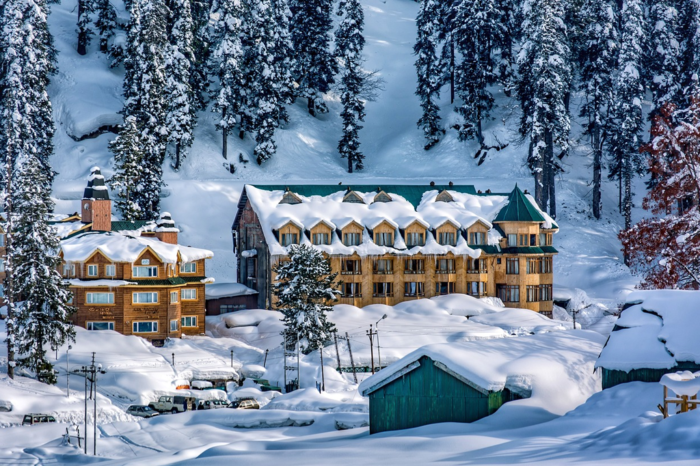 10% Off
7N/8D
10% Off
7N/8D
The Essence of Kashmir
3N-Srinagar 1N-Houseboat 1N-Gulmarg 2N-Pahalgam Hotel Breakfast Sightseeing Transport
Write the detailed daDay 1 – Arrival in Srinagar & Mughal GardensArrive in Srinagar and transfer to your hotel. After some rest, begin your journey with a visit to the iconic Mughal Gardens—Nishat Bagh, Shalimar Bagh, and Chashme Shahi—famed for their terraced lawns, fountains, and panoramic views of the lakes.In the evening, enjoy a tranquil Shikara ride on Dal Lake, drifting past floating markets and clusters of traditional houseboats while soaking in the golden sunset. Return to your hotel for dinner and overnight stay.Day 2 – Sonamarg ExcursionAfter breakfast, embark on a full-day excursion to Sonamarg, the Meadow of Gold. The scenic drive through verdant valleys and riversides provides perfect opportunities for photography.At Sonamarg, explore the Thajiwas Glacier by pony or local vehicle, try seasonal snow activities, or simply relax amidst the alpine landscapes. Return to Srinagar by evening for overnight stay.Day 3 – Doodhpathri or Yousmarg MeadowsToday, choose to explore either Doodhpathri or Yousmarg, two of Kashmir’s most serene and untouched meadows.Doodhpathri: Rolling green pastures, sparkling streams, and panoramic scenery.Yousmarg: Pine forests, vast meadows, and quiet trails ideal for nature walks.Spend the day taking photos, enjoying light treks, and immersing yourself in the calm, unspoiled beauty before returning to Srinagar for overnight stay.Day 4 – Tosamaidan Day TripTravel from Srinagar to the peaceful Tosamaidan meadows, passing through charming villages, pine forests, and the scenic Khag region. After a short tea break, continue into the expansive green valley where quiet streams, rolling meadows, and panoramic mountain views await.Spend the day exploring, photographing, or enjoying a peaceful picnic. Return to Srinagar in the evening for overnight stay.Day 5 – Srinagar to GulmargAfter breakfast, drive to Gulmarg, a stunning meadow encircled by pine forests and snow-capped peaks. Check in to your hotel and spend the day exploring the valley.Experience the Gondola Cable Car ride to Phase I or Phase II for breathtaking Himalayan views. Enjoy evening nature walks or relax amid the serene mountain scenery. Overnight stay in Gulmarg.Day 6 – Gulmarg to PahalgamAfter breakfast, journey to Pahalgam, passing through saffron fields, apple orchards, and quaint villages. Upon arrival, check in to your hotel and spend the day at leisure.You may stroll along the Lidder River, explore the local market, or simply relax amidst the valley’s natural beauty. Overnight stay in Pahalgam.Day 7 – Pahalgam SightseeingExplore the natural gems of Pahalgam after breakfast. Visit Aru Valley, Betaab Valley, and Chandanwari, each offering lush meadows, snow-fed streams, and picturesque mountain views.Enjoy pony rides, light treks, nature walks, or photography sessions while soaking in the tranquil atmosphere. Return to your hotel for overnight stay.Day 8 – Departure from SrinagarAfter breakfast, check out and drive to Srinagar Airport for your onward journey. If time permits, stop for last-minute shopping of Kashmiri spices, dry fruits, or handicrafts. Depart with unforgettable memories of Kashmir’s majestic valleys, serene meadows, and breathtaking landscapes.
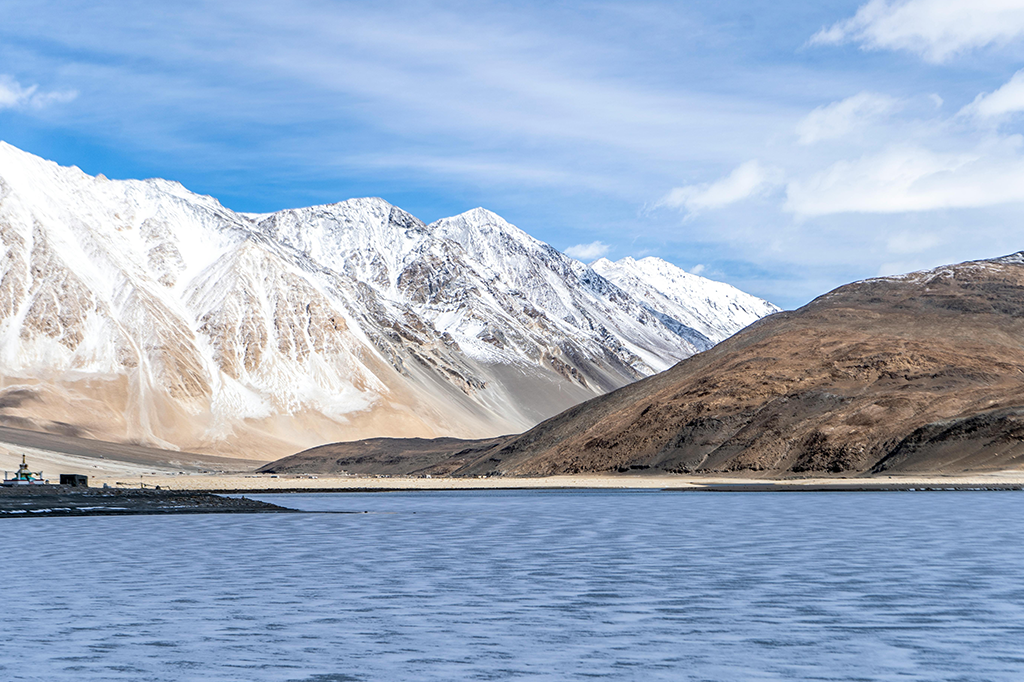 30% Off
5N/6D
30% Off
5N/6D
Explore Ladakh
3N-Leh 1N-Nubra valley 1N-Pangong Hotel Breakfast Sightseeing Transport
Write the detailed day-byDay 1 – Arrival in Leh & High-Altitude AcclimatisationStay: Hotel in LehArrive at Leh Airport and transfer to your hotel. The day is kept at leisure to allow gradual acclimatisation to Ladakh’s high altitude. In the evening, take a relaxed stroll through Leh Market or unwind at a cosy local café. Overnight stay in Leh.Day 2 – Leh Local SightseeingStay: Hotel in LehAfter breakfast, begin your exploration of Leh’s cultural landmarks. Visit Shanti Stupa for sweeping views of the town, followed by the historic Leh Palace. Continue to Thiksey Monastery, famed for its towering Maitreya Buddha and scenic hilltop location. Later, visit Sindhu Ghat along the Indus River before returning to the hotel. Overnight stay.Day 3 – Leh to Nubra Valley via Khardung LaStay: Camp/Hotel in Nubra ValleyDepart early for a breathtaking drive to Nubra Valley via Khardung La Pass, among the highest motorable roads in the world. On arrival, check in and relax. Later, visit the Hunder Sand Dunes and enjoy an optional camel safari on the unique double-humped Bactrian camels. Spend the evening amidst Nubra’s peaceful desert scenery. Overnight stay.Day 4 – Nubra Valley & Journey to Pangong LakeStay: Camp near Pangong LakeAfter breakfast, visit Diskit Monastery, known for its giant Maitreya Buddha statue overlooking the valley. Continue your journey to the stunning Pangong Lake, celebrated for its ever-changing shades of blue. Enjoy a magical sunset and the calm surroundings before an overnight stay near the lake.Day 5 – Pangong Lake to Leh via Chang La PassStay: Hotel in LehWake early to witness a spectacular sunrise at Pangong Lake. After breakfast, drive back to Leh via Chang La Pass, enjoying panoramic mountain views along the way. En route, stop at Shey Palace or nearby villages. Arrive in Leh by evening and enjoy leisure time for shopping or relaxation. Overnight stay.Day 6 – Departure from LehAfter breakfast, check out from the hotel and transfer to Leh Airport for your onward journey, carrying unforgettable memories of Ladakh’s dramatic landscapes, ancient monasteries, and high-altitude beauty.-day itinerary here...
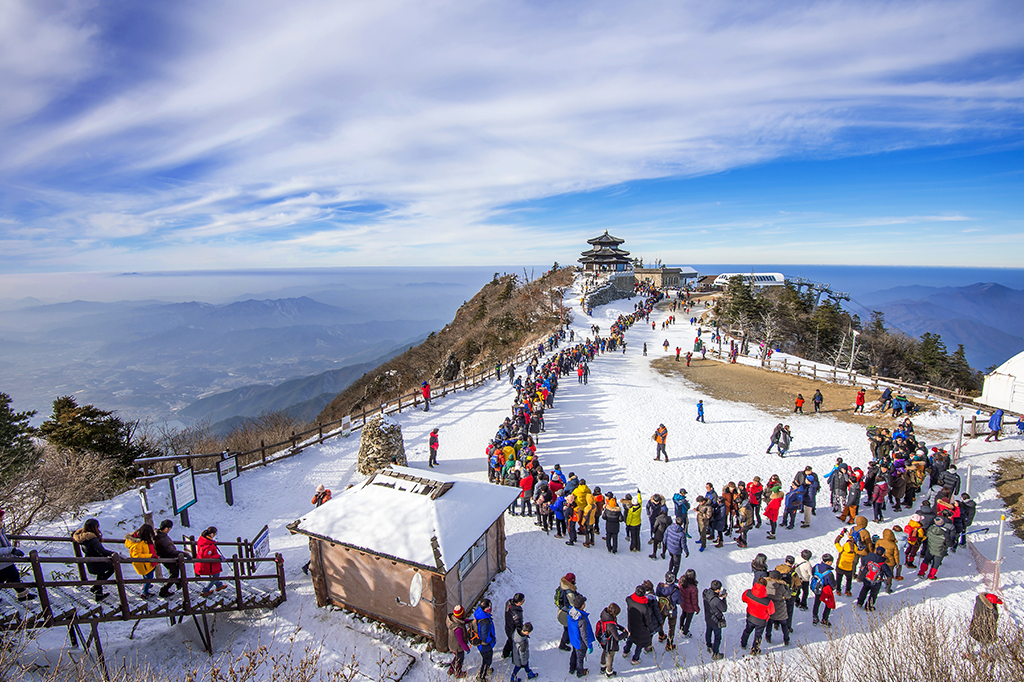 Offer Price
6N/7D
Offer Price
6N/7D
From Vaishno Devi to Kashmir
1N-Katra Vaishnodevi 2N-Pahalgam 2N-Srinagar 1N-Houseboat
Write the detailed day-bDay 1 – Arrival in Katra & Vaishno Devi PilgrimageStay: Hotel in KatraArrive at Jammu/Katra and transfer to your hotel. After check-in and refreshment, proceed for the sacred Mata Vaishno Devi Darshan. Choose to trek, ride a pony, or take a helicopter (subject to availability). Seek blessings at the holy Bhawan and return to Katra at your own pace. Enjoy dinner and an overnight stay at the hotel.Day 2 – Katra to PahalgamStay: Hotel in PahalgamAfter breakfast, drive to the picturesque Pahalgam Valley. Enjoy the journey through lush green landscapes, flowing rivers, and pine forests along the Lidder River. Upon arrival, check in to your hotel. Spend the evening exploring the local market or enjoying a peaceful riverside walk. Overnight stay in Pahalgam.Day 3 – Pahalgam Local SightseeingStay: Hotel in PahalgamAfter breakfast, set out to explore the breathtaking surroundings of Pahalgam. Visit Aru Valley, Betaab Valley, and Chandanwari, known for their rolling meadows, crystal-clear streams, and snow-capped peaks. Enjoy leisurely walks, pony rides, and scenic viewpoints. Return to the hotel for dinner and overnight stay.Day 4 – Pahalgam to SrinagarStay: Hotel in SrinagarPost breakfast, travel to Srinagar and check in to your hotel. Begin sightseeing with visits to the famous Mughal Gardens—Shalimar Bagh, Nishat Bagh, and Chashme Shahi—celebrated for their terraced layouts and historic beauty. Later, enjoy leisure time near Dal Lake or explore Srinagar’s local bazaars. Overnight stay.Day 5 – Srinagar to Sonamarg ExcursionDistance: 85 km | Travel Time: Approx. 2.5 hours each wayStay: Hotel in SrinagarAfter breakfast, proceed to Sonamarg, famously known as the Meadow of Gold. Drive along the scenic Sindh River, surrounded by pine forests and majestic mountain cliffs.Optional Activities in Sonamarg:Visit to Thajiwas Glacier (pony ride optional)River rafting (seasonal)Zero Point / Zoji La Pass (subject to conditions & union vehicle)After enjoying lunch at a local restaurant, return to Srinagar by evening. Enjoy free time for a Shikara ride on Dal Lake, a walk along Boulevard Road, or shopping for local handicrafts, saffron, and dry fruits. Overnight stay in Srinagar.Day 6 – Srinagar to Gulmarg ExcursionDistance: 50 km | Travel Time: Approx. 1.5 hoursStay: Hotel in SrinagarAfter breakfast, drive to Gulmarg, a charming hill resort renowned for its lush meadows, pine forests, and panoramic Himalayan views. You may opt for the Gondola Cable Car ride (at your own cost) or enjoy leisurely walks through the scenic landscapes. Return to Srinagar by evening for an overnight stay.y-day itinerary here...
 Best Seller
4 Nights / 5 Days
Best Seller
4 Nights / 5 Days
Kashmir — Classic Valley Tour
Dal Lake
Shikara Ride
Mughal Gardens
Pahalgam
Srinagar City Tour
Day 1 — Arrival in Srinagar: Welcome to Paradise
Your journey into the heart of Kashmir begins the moment you land at Sheikh ul-Alam International Airport, Srinagar. Our smartly dressed representative will be waiting at the arrival gate with a warm smile and a placard bearing your name. You will be transferred comfortably to your pre-booked Deluxe Houseboat on Dal Lake — your floating home for the first two nights.
After freshening up, step out onto the houseboat deck and take in your first real look at Dal Lake — the shimmering heart of Kashmir. In the afternoon, enjoy a leisurely Shikara ride across the lake, drifting past floating gardens of lotus and water chestnuts, past the famous floating vegetable market, and beneath the snow-dusted peaks of the Zabarwan range. As the sun sets and the mountains turn golden, sip on a cup of Kahwa — Kashmir's traditional saffron and almond green tea — served by your houseboat attendant.
In the evening, enjoy a welcome dinner on board featuring traditional Kashmiri cuisine, including Rogan Josh, Yakhni, and freshly baked Kashmiri Girda bread.
Overnight: Deluxe Houseboat, Dal Lake, Srinagar.
Day 2 — Srinagar: Mughal Gardens & Old City
Wake up to the gentle sound of water lapping against the hull of your houseboat and the distant call of the Azan from a lakeside mosque. After a hearty Kashmiri breakfast of Noon Chai (pink salt tea) with Bakarkhani (crispy Kashmiri bread), your day of exploration begins.
Your first stop is the famous Mughal Gardens — masterpieces of Mughal landscape architecture laid out by Emperor Jehangir and his successors in the 17th century. Shalimar Bagh, meaning "Abode of Love," is the grandest of these — a four-terraced garden with carved pavilions, cascading fountains, and rows of ancient chinar trees. Nishat Bagh, the "Garden of Bliss," sits directly on the banks of Dal Lake with twelve terraces rising sharply up the hillside, each representing a sign of the zodiac. Chashme Shahi, the "Royal Spring," is the smallest and oldest of the gardens, centred around a natural spring said to have curative properties.
After the gardens, visit the historic Shankaracharya Temple — one of the oldest shrines in Kashmir, dedicated to Lord Shiva and perched on the summit of Shankaracharya Hill at 1,000 feet above the valley floor. The climb is rewarded with a 360-degree panoramic view of the entire Srinagar city, Dal Lake, and the surrounding mountain ranges that few other viewpoints can match.
In the afternoon, explore the Old City of Srinagar — a labyrinth of narrow, winding lanes flanked by traditional wooden houses with intricately carved facades. Visit the Jamia Masjid, a magnificent mosque built entirely in wood supported by 378 wooden columns, each made from a single deodar tree trunk. Nearby, the Shah Hamdan Mosque (Khanqah-e-Moula) is another architectural jewel, covered in exquisite papier-mâché work inside and out.
End your day at the famous Lal Chowk market for souvenir shopping — pick up authentic Pashmina shawls, Kashmiri walnut wood handicrafts, saffron, and dry fruits.
Overnight: Deluxe Houseboat, Dal Lake, Srinagar.
Day 3 — Pahalgam: The Valley of Shepherds
After breakfast, check out from the houseboat and drive towards Pahalgam (95 km, approximately 2.5 hours), one of Kashmir's most breathtaking destinations. The road winds through saffron fields, rice paddies, and apple orchards before climbing into the pine forests that surround the Lidder Valley.
Betaab Valley (named after the 1983 Bollywood blockbuster filmed here) is your first stop — a picture-perfect meadow cradled between dense forests of deodar and pine, with the crystal-clear Lidder River rushing through its centre. The valley is so achingly beautiful that it is easy to understand why generations of Bollywood directors have returned here time and again.
Next, visit Aru Valley, about 12 km from Pahalgam town, accessible via a winding road that passes through thick pine forests. Aru is a peaceful hamlet at the start of the Kolahoi Glacier trek route, and the views of the surrounding snow-covered peaks from here are simply stunning. The valley is dotted with wooden shepherd huts, and in summer you will see Gujjar and Bakarwal nomads camping here with their flocks of sheep and herds of horses.
Spend the rest of the afternoon at leisure in Pahalgam town. Optional pony rides are available (at own cost) along the banks of the Lidder River. The trout fishing in the Lidder is world-famous — if you are a fishing enthusiast, your guide can arrange a permit.
Overnight: Hotel in Pahalgam (3-star).
Day 4 — Return to Srinagar: Dal Lake & Floating Market
Rise early (ideally by 6:00 AM) for one of the most unique experiences Kashmir has to offer — the Floating Vegetable Market on Dal Lake. Hundreds of wooden Shikara boats loaded with fresh vegetables — lotus stems, water chestnuts, leafy greens, tomatoes, and radishes grown on the famous floating gardens (called Raadh) — converge on the lake before dawn to conduct a lively, floating wholesale market. It is a centuries-old tradition that has continued unchanged, and witnessing it from your own Shikara is unforgettable.
After breakfast, drive back to Srinagar and check in to your hotel. Spend the afternoon visiting the Hazratbal Shrine — Kashmir's most revered Islamic shrine, housing a relic believed to be a hair of the Prophet Muhammad (PBUH), set in a stunning white marble mosque directly on the northern shores of Dal Lake.
Visit a local Papier-Mâché workshop to watch artisans at work — this ancient Kashmiri craft, brought to the valley by Persian craftsmen in the 15th century, involves moulding paper pulp into decorative objects that are then hand-painted with intricate floral and geometric designs. You can purchase directly from the artisan at workshop prices.
In the evening, take a final sunset Shikara ride — watching the Zabarwan mountains glow crimson, the houseboats reflected perfectly in the still water, and the call to prayer echoing across the lake.
Overnight: Hotel in Srinagar (3-star).
Day 5 — Departure: Farewell from Paradise
After a leisurely breakfast, complete your packing and check out. Your guide will transfer you to Sheikh ul-Alam International Airport for your onward flight, your bags heavier with Kashmiri handicrafts, your phone full of photographs, and your heart full of memories that will last a lifetime. Tour ends. Safe travels!
 Top Rated
5 Nights / 6 Days
Top Rated
5 Nights / 6 Days
Kashmir — Gulmarg Snow & Adventure
Gulmarg Gondola
Apharwat Peak
Skiing
Sonmarg
Thajiwas Glacier
Dal Lake
Day 1 — Arrival Srinagar → Drive to Gulmarg
Land at Srinagar Airport and meet your Kashmir With Us representative. After a brief stop at a local Kashmiri restaurant for lunch, begin the scenic 56 km drive to Gulmarg — the "Meadow of Flowers." The road climbs steadily through apple orchards, pine forests, and small Kashmiri villages with their distinctive wooden houses and corrugated iron roofs before opening up into the vast, snow-covered bowl that is Gulmarg in winter.
Check in to your hotel and spend the rest of the afternoon simply absorbing the magical atmosphere. The air at 2,650 metres is sharp and clean, and the silence — broken only by the distant whoosh of skiers and the sound of snow crunching underfoot — is deeply refreshing. In the evening, gather around a warm kangri (traditional Kashmiri fire pot) and enjoy Kashmiri Harissa — a slow-cooked meat porridge that is the valley's ultimate winter comfort food.
Overnight: Hotel in Gulmarg (3-star, snow view).
Day 2 — Gulmarg: Gondola Ride & Snow Activities
This is the day you have been waiting for. After an early breakfast, make your way to the Gulmarg Gondola — Asia's highest and longest cable car, which ascends to the summit of Apharwat Peak in two spectacular phases.
Phase 1 takes you from Gulmarg (2,650 m) up to Kongdori (3,080 m). From here, the views across the Gulmarg meadow below and the surrounding Himalayan peaks already feel extraordinary. Spend some time here before boarding Phase 2.
Phase 2 continues the ascent to Apharwat Peak at a breathtaking 3,980 metres (13,058 feet) above sea level. Step out of the cable car at the summit and you are standing on the roof of accessible Kashmir, surrounded by a pure white wilderness of permanent snow and ice. The crown jewel of the view from here is Nanga Parbat — the ninth-highest mountain in the world at 8,126 metres — rising in all its terrifying majesty on the northern horizon. On clear days, you can also see the Karakoram ranges stretching towards K2.
Spend the rest of the day enjoying snow activities at Kongdori. Skiing and snowboarding are available for all skill levels — beginners can take lessons from certified ski instructors at the Gulmarg Ski School, while experienced skiers can tackle the challenging off-piste runs on Apharwat. For non-skiers, snow sledging, snowshoeing, snow tubing, and simply playing in the deep powder are equally thrilling. A horse ride across the snow-covered Gulmarg meadow at sunset is one of Kashmir's most romantic experiences.
Overnight: Hotel in Gulmarg.
Day 3 — Gulmarg → Srinagar → Sonmarg
After breakfast, check out from your Gulmarg hotel and drive back towards Srinagar — but only briefly, as you continue on to Sonmarg (87 km from Srinagar, approximately 2.5 hours), the "Meadow of Gold." The drive to Sonmarg is one of the most dramatic in Kashmir, ascending through increasingly narrow gorges carved by the Sindh River before suddenly opening up into the wide, flat valley of Sonmarg at 2,740 metres.
At Sonmarg, hire ponies (own cost, strongly recommended) for the 5 km ride to the Thajiwas Glacier — a living, moving river of ice that descends from the peaks above. Walking on the glacier edge, feeling the cold emanating from its blue-green ice, and looking up at the seracs and crevasses above is an experience that never loses its power, no matter how many times you visit.
Sonmarg is also a famous fishing destination — the Sindh River here is one of the best brown trout fishing rivers in South Asia. Even if you are not a fisherman, watching the trout dart through the crystal-clear water is mesmerizing.
Drive back to Srinagar in the evening and check in to your hotel by the lake.
Overnight: Hotel in Srinagar (3-star).
Day 4 — Srinagar: Dal Lake Houseboat & Floating Market
Today you move to a Deluxe Houseboat on Dal Lake for a true Kashmiri experience. Start the day with an early morning Shikara ride to the Floating Vegetable Market — an extraordinary sight of hundreds of boats loaded with fresh produce conducting a floating wholesale market in the pre-dawn darkness, illuminated only by lanterns and the first pale light of dawn.
After breakfast on the houseboat, visit the Mughal Gardens — Shalimar Bagh, Nishat Bagh, and Chashme Shahi — three of the most beautiful formal gardens in all of South Asia. Spend the afternoon exploring the Old City, visiting the Jamia Masjid and the Shah Hamdan Mosque. In the evening, take a leisurely sunset Shikara ride as the mountains turn gold, then pink, then deep purple.
Overnight: Deluxe Houseboat, Dal Lake.
Day 5 — Pahalgam Day Trip
Drive to Pahalgam (95 km, 2.5 hours) for a full-day excursion. Visit Betaab Valley, Aru Valley, and the Chandanwari snowfield (16 km from Pahalgam) — the starting point of the famous Amarnath Yatra pilgrimage. Even outside the pilgrimage season, Chandanwari offers some of the most dramatic scenery in the region, with a natural amphitheatre of snow-covered peaks surrounding a wide, flat snowfield through which the Lidder River flows.
Return to Srinagar in the evening for a farewell dinner at a rooftop restaurant overlooking Dal Lake — the perfect way to savour your last night in paradise.
Overnight: Houseboat, Dal Lake, Srinagar.
Day 6 — Departure
A final Kashmiri breakfast of Noon Chai and Lavasa bread on the houseboat deck. Check out and transfer to Srinagar Airport. As the plane climbs and the valley of Kashmir appears below — the silver ribbon of Dal Lake, the emerald green of the paddy fields, the snow-capped peaks all around — you will feel what every visitor feels leaving Kashmir: a deep, almost physical ache to return. Tour ends.
 Honeymoon Special
6 Nights / 7 Days
Honeymoon Special
6 Nights / 7 Days
Kashmir — Honeymoon Special Package
Luxury Houseboat
Gulmarg
Pahalgam
Yusmarg
Couple Shikara
Candlelight Dinner
Day 1 — Arrival: A Fairytale Beginning
Your honeymoon in paradise begins the moment you land in Srinagar. Your Kashmir With Us representative will greet you at the airport with a bouquet of fresh Kashmiri flowers — the valley is famous for its roses, narcissus, and tulips, and the fragrance alone tells you this is no ordinary destination.
Transfer to your Premium Luxury Houseboat on Dal Lake — your home for the first two nights. These legendary floating mansions, many of them family-owned and maintained across multiple generations, are a world unto themselves: richly carved walnut wood panels, hand-embroidered curtains, Persian carpets underfoot, and a private sun deck overlooking the lake. You will be warmly received by the houseboat family with traditional Kahwa tea and fresh dry fruits.
In the evening, a specially arranged romantic Shikara ride — decorated with fresh flowers and floating candles — takes you out onto the still, golden water as the sun sets behind the Pir Panjal range. Your private Shikara-wala will navigate you through the quieter parts of the lake, far from the tourist Shikara routes, to places where you have the water entirely to yourselves.
Return to the houseboat for a candlelight dinner on the upper deck — rose petals, fairy lights reflected in the water below, and a menu of Kashmiri specialties prepared fresh by your houseboat chef. Overnight: Premium Luxury Houseboat, Dal Lake.
Day 2 — Romantic Srinagar: Gardens & Crafts
Begin the morning with breakfast served in bed — a Kashmiri tradition that your houseboat staff will observe with genuine warmth. After a relaxed start, take a private Shikara to the Floating Lotus Garden — a section of the lake where lotus flowers bloom in extraordinary abundance during summer, their pink blossoms spread across the water as far as the eye can see.
Visit the Mughal Gardens hand-in-hand — Shalimar Bagh, where the ancient chinar trees cast dappled light on fountains that have been playing for four centuries, and Nishat Bagh, where the terraced lawns descend directly to the lakeside for stunning views. These gardens are arguably the most romantic settings in all of India and were built specifically as places of love and pleasure by the Mughal emperors.
In the afternoon, visit a Pashmina weaving studio — watch master craftsmen weave the world's finest wool on handlooms, and choose a pair of authentic Pashmina shawls as a keepsake of your honeymoon. A genuine Pashmina shawl, woven from the fleece of the Changthangi goat at altitudes above 4,000 metres, is soft enough to pass through a finger ring and warm enough to withstand a Himalayan winter.
Special couple spa session in the afternoon featuring traditional Kashmiri herbal treatments using local mountain herbs, saffron, and walnut oil. Overnight: Premium Luxury Houseboat, Dal Lake.
Day 3 — Gulmarg: Snow & Romance
After breakfast, check out and drive to snow-covered Gulmarg (56 km, 2 hours). Check in to your hotel and spend the morning at leisure — walking through the meadow in the snow, breathing the crisp mountain air, and simply enjoying being away from the world together.
Afternoon: board the Gulmarg Gondola together to Apharwat Peak (3,980 m) for views that will leave you genuinely speechless — Nanga Parbat rising from the horizon like a white pyramid, the Karakoram ranges beyond, and the entire Kashmir Valley spread below you like a painting. On the way back down, stop at Kongdori for a private horse ride through the snow-covered meadows — a truly cinematic experience with no other tourists in sight.
In the evening, gather around a bonfire arranged exclusively for you by the hotel in a private courtyard. Hot chocolate, Harissa, and the sound of traditional Kashmiri Sufiana Kalam music playing softly — there is nowhere more romantic in India on a cold winter night.
Overnight: Premium Hotel, Gulmarg.
Day 4 — Yusmarg: Kashmir's Hidden Secret
Today you visit one of Kashmir's most beautiful and least-known destinations: Yusmarg — the "Meadow of Jesus," a stunning alpine meadow in the Budgam district, approximately 47 km from Srinagar. Unlike Gulmarg or Pahalgam, Yusmarg is almost entirely undiscovered by mass tourism, meaning you will often have entire stretches of meadow entirely to yourselves.
The drive to Yusmarg is itself a delight — winding through dense forests of pine and fir, past clear mountain streams, and through the charming village of Charar-e-Sharief, home to the shrine of Sheikh Nooruddin — one of Kashmir's most beloved Sufi saints. The shrine was tragically burned in 1995 but has been beautifully rebuilt and is worth a brief respectful visit.
At Yusmarg (2,400 m), the meadow opens up dramatically — a vast green bowl (or white in winter) ringed by snow-capped peaks and dense conifer forests. Pony rides through the meadow and down to the Doodhganga River — a milky-white stream named for the colour of its glacial water — are the highlight of the visit. A private picnic lunch in the meadow is arranged by your Kashmir With Us team, with traditional Kashmiri Wazwan dishes packed in insulated containers.
Overnight: Hotel in Srinagar.
Day 5 — Pahalgam: Valley of Shepherds
Drive to Pahalgam (95 km, 2.5 hours) for a full day in one of Kashmir's most celebrated valleys. Visit Betaab Valley for couple photography amidst pine forests and the rushing Lidder River — the valley has been used as a backdrop for countless Bollywood films and is every bit as beautiful in reality as on screen. Continue to Aru Valley for sweeping mountain views and a gentle walk through wildflower meadows.
In the afternoon, enjoy an optional trout fishing experience on the Lidder River (arranged by the hotel at own cost) — the river is stocked with magnificent Kashmir brown trout, and even simply sitting beside the rushing river in the pine forest is deeply therapeutic.
Return to Pahalgam town for a private candlelight dinner arranged by the hotel on the banks of the Lidder River — fairy lights strung between the pine trees, the sound of the river, and the stars above visible with extraordinary clarity at this altitude.
Overnight: Hotel in Pahalgam.
Day 6 — Return to Srinagar: Shopping & Farewell
Drive back to Srinagar. Spend the morning exploring the famous Kashmiri craft emporiums of Boulevard Road and Residency Road for authentic souvenirs — Pashmina shawls, Sozni and Aari embroidered fabrics, hand-knotted Kashmiri carpets (some of which take a single weaver an entire year to complete), walnut wood furniture and carvings, papier-mâché boxes and decorations, and of course Kashmiri saffron and dry fruits to take home.
A final Shikara ride in the afternoon as the sun begins to lower and the lake turns to liquid gold. A farewell dinner at one of Srinagar's finest rooftop restaurants overlooking Dal Lake, with live Kashmiri Sufiana music performed exclusively for the two of you. Overnight: Luxury Houseboat, Dal Lake.
Day 7 — Departure
Your last morning in paradise. Breakfast on the houseboat deck as the early mist rises from Dal Lake and the mountains emerge slowly from the clouds. Check out and transfer to Srinagar Airport. Kashmir does not let go easily — as the valley disappears below the clouds, most honeymooners find themselves already planning when to come back. Tour ends. May your love be as enduring as the Himalayas.
 Grand Package
7 Nights / 8 Days
Grand Package
7 Nights / 8 Days
Kashmir — Grand Explorer (Srinagar + Gulmarg + Pahalgam + Sonamarg)
Srinagar
Dal Lake
Gulmarg Gondola
Pahalgam
Sonamarg
Yusmarg
Doodhpathri
Local Villages
Day 1 — Arrival Srinagar: The First Breath of Paradise
Touch down at Srinagar Airport and step into air that smells of pine, mountain water, and something indefinable that every Kashmiri will tell you is the valley itself. Your Kashmir With Us team will receive you and transfer you to your Deluxe Houseboat on Dal Lake.
The rest of Day 1 is deliberately left free — not for a packed schedule of sightseeing, but for you to simply arrive in Kashmir. Sit on the houseboat deck. Watch the kingfishers skim across the water. Let a Shikara-wala sell you lotus flowers from his boat. Drink Kahwa as the sun sets and the mountains change colour through the whole spectrum from gold to crimson to purple. Let Kashmir begin to work its particular magic on you before the real exploration begins tomorrow.
Overnight: Deluxe Houseboat, Dal Lake, Srinagar.
Day 2 — Srinagar Deep Dive: City, Shrines & Crafts
Begin with the Floating Vegetable Market at dawn — rise at 5:30 AM for a Shikara ride into the heart of Dal Lake where the floating market is already in full swing, hundreds of boat-laden farmers trading produce in the pale morning light. It is one of the world's great market scenes and remarkably few tourists ever see it because so few are willing to wake early enough.
After breakfast, spend a full morning in the Old City — properly, on foot, in the lanes. Visit the Jamia Masjid, the Shah Hamdan Mosque, and the ancient Rozabal Shrine. Walk through the old Maharaj Bazaar — a covered market of extraordinary age selling spices, dried fruits, traditional Kashmiri sweets (Shufta, Phirni), and handwoven textiles at prices far better than the tourist shops on Boulevard Road.
Afternoon: visit the Mughal Gardens — Shalimar Bagh, Nishat Bagh, and Chashme Shahi. In the late afternoon, visit the Hazratbal Shrine on the lakefront — Kashmir's holiest Islamic site, housed in a stunning white marble mosque. The reflection of the white mosque in the lake at sunset is one of the valley's signature images.
Evening: a cultural dinner at a traditional Kashmiri home — arranged by your guide — where you will experience authentic Wazwan, the great Kashmiri feast of up to 36 courses served on a communal mat, cooked by a Waza (master chef) over a wood fire. A Wazwan feast is one of the most important cultural experiences Kashmir has to offer and is rarely arranged for tourists.
Overnight: Houseboat, Dal Lake.
Day 3 — Doodhpathri: The Valley of Milk
A full day excursion to Doodhpathri (42 km from Srinagar, approximately 1.5 hours) — one of Kashmir's most beautiful and least-visited meadows. Drive through the Budgam district, passing through fertile agricultural plains before climbing into the pine forests that surround the meadow.
Doodhpathri sits in a natural bowl at 2,730 metres, rimmed by dense conifer forests and presided over by a semi-circle of snow-capped peaks. The meadow is traversed by the milky-white streams that give it its name — so cold they seem to steam in the morning air, running over smooth white stones with a sound that makes the whole valley feel like a place out of a fairytale.
Spend several hours simply walking through the meadow, following the streams to their source, climbing to viewpoints above the treeline for panoramic views, and sitting in the silence. Pack a picnic lunch (arranged by your guide) and eat beside one of the streams. This is Kashmir at its most pure and undisturbed — no large hotels, no tourist buses, just the meadow, the mountains, the wildflowers, and the milky streams.
Return to Srinagar in the late afternoon. Overnight: Houseboat, Dal Lake.
Day 4 — Gulmarg: The World on White
Drive to Gulmarg (56 km, 2 hours) and check in to your hotel. Spend the morning on the Gulmarg Gondola — ascending in two phases to Apharwat Peak at 3,980 metres for views that redefine the word "spectacular." Nanga Parbat, the Karakoram ranges, the entire Kashmir Valley — spread below you in a silence broken only by the wind.
Afternoon: if visiting in winter (December–March), spend the afternoon skiing or snowboarding on Apharwat's legendary powder runs — Gulmarg is consistently ranked among Asia's top 5 ski resorts for its depth and quality of snow. If visiting in summer, explore the vast Gulmarg Biosphere Reserve on foot or horseback — 180 square kilometres of alpine meadow and forest home to Himalayan brown bears, leopards, red foxes, and over 100 species of birds including the magnificent Himalayan monal pheasant.
Visit the St. Mary's Church in Gulmarg — a beautiful colonial-era church built by the British in 1895, surrounded by ancient deodar trees, one of the most evocative remnants of the valley's colonial history. Play a round at the Gulmarg Golf Course — one of the world's highest at 2,650 metres, a stunning 18-hole course with views of snow-covered peaks from every tee.
Overnight: Hotel in Gulmarg.
Day 5 — Sonmarg: Where Gold Meets Ice
Drive from Gulmarg back towards Srinagar and continue on to Sonmarg (87 km from Srinagar, approximately 2.5 hours). The drive to Sonmarg is a journey through increasingly dramatic mountain scenery — the Sindh Valley narrows into deep gorges where the river roars between vertical walls of rock, waterfalls cascade from heights of hundreds of metres, and the road occasionally tunnels through the mountainside before emerging into another spectacular view.
At Sonmarg (2,740 m), hire ponies for the 5 km ride to Thajiwas Glacier — riding through forests of silver birch and alpine meadows, crossing wooden bridges over rushing streams, before arriving at the edge of the glacier itself. The glacier descends from a bowl of peaks and is larger than it first appears — the ice at its edges is an extraordinary pale blue-green colour, marked by hundreds of years of compressed snowfall.
On the way back from the glacier, stop at the Zero Point — the last point on the Srinagar-Leh Highway before the road closes for winter, at the foot of the Zoji La Pass. From here, the view back down the Sindh Valley and forward towards the barren high-altitude landscape beyond Zoji La is breathtaking in the truest sense of the word.
Drive back to Srinagar in the evening. Overnight: Hotel in Srinagar.
Day 6 — Pahalgam: Rivers, Meadows & Mountains
Full day in Pahalgam (95 km, 2.5 hours). This is the longest and most immersive day of the itinerary — designed for those who want to go beyond the standard tourist circuit of Betaab Valley and actually experience Pahalgam as the extraordinary natural environment it is.
Begin at Chandanwari (16 km from Pahalgam) — the snowfield that serves as the starting point of the Amarnath Yatra. Even outside the pilgrimage season, Chandanwari is dramatic: a natural amphitheatre of peaks surrounding a wide snowfield through which the Lidder River cuts a green channel. Snow is usually present here year-round.
Drive back through Pahalgam town and continue to Aru Valley (12 km). Aru is quieter and wilder than Betaab Valley — a proper mountain village, with wooden houses and livestock pens, at the end of a road that turns to track. This is the starting point of the Kolahoi Glacier trek and the Tarsar-Marsar trek — two of Kashmir's finest. Even if you are not trekking, the walk through Aru village and up to the first ridge above it takes about an hour and rewards with extraordinary views.
Finish at Betaab Valley for the classic Pahalgam photographs — the Lidder River in the foreground, the pine forest in the middle distance, and the snow peaks behind. Trout fishing in the Lidder (own cost), pony rides, and white-water rafting (seasonal) are all available.
Return to Srinagar by evening. Overnight: Houseboat, Dal Lake.
Day 7 — Srinagar Slow Day: Markets, Monasteries & the Lake
Your penultimate day is a slower, more contemplative exploration of Srinagar — the aspects of the city that most tourists miss in their rush between the major sights. Begin at the Shankaracharya Temple at sunrise — climbing the 243 steps to the summit in the early morning quiet, when the mist is still lying in the valley below and the peaks are catching the first gold of dawn, is one of Kashmir's great quiet experiences.
Spend the late morning in the famous Sufiana Kalam tradition — attending a music session at one of Srinagar's cultural centres where musicians perform classical Kashmiri Sufi devotional music on traditional instruments: the santoor, the saz-e-Kashmir, and the tabla. This music, which has its roots in the Sufi tradition brought to Kashmir by the great saints of the 14th and 15th centuries, is one of the valley's most profound gifts to Indian culture.
Afternoon: final craft shopping — visit a genuine hand-knotted carpet workshop (not a tourist showroom, but an actual family workshop) to see how Kashmiri carpets are made and to purchase directly at workshop prices. The finest Kashmiri carpets use between 200 and 900 knots per square inch and can take a single master weaver more than a year to complete.
Final sunset Shikara ride. Overnight: Houseboat, Dal Lake.
Day 8 — Departure: Until We Meet Again
After a final breakfast on the houseboat, check out and transfer to Srinagar Airport. As you leave, your guide will give you a small packet of Kashmiri saffron — the most expensive spice in the world, grown only in the Pampore fields of Kashmir — as a parting gift from the valley. It is a tradition at Kashmir With Us. Take it home, add it to a cup of hot milk with honey on a winter evening, close your eyes, and you will be back in Kashmir instantly. Tour ends. Safe travels, and thank you for choosing Kashmir With Us.